
Dry Skin, Shedding, Anxiety: What If They’re All Connected? (Part 1)
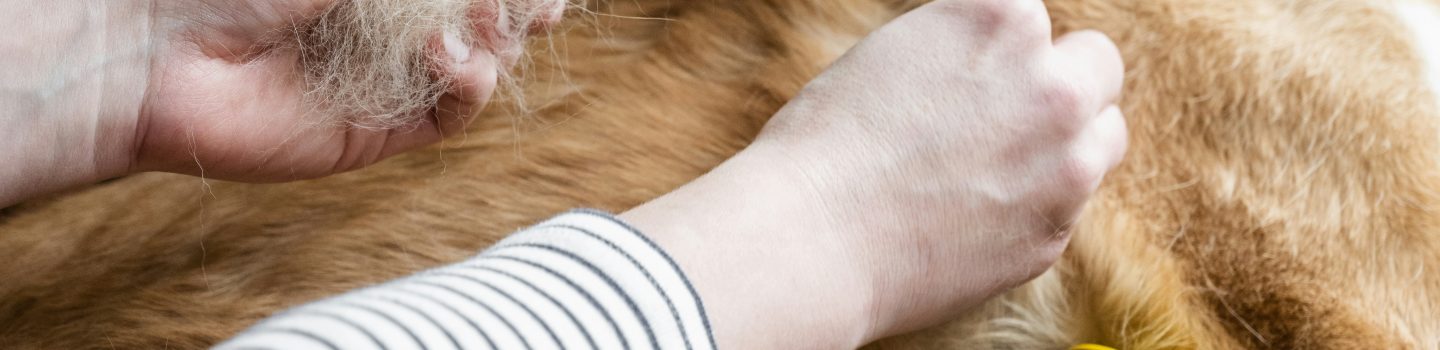
Did your dog have a black nose as a puppy that is now pink? Does your dog shed often and a lot? Does your pet have dry skin? Are their paw pads chalky white, or your pet just seems… anxious for no clear reason?
If so, your pet may have something called blood deficiency.
Now, before you panic, “blood deficiency” is a Chinese medicine term, not a conventional diagnosis. Your pet’s bloodwork will likely come back normal. This isn’t anemia. It’s something more subtle, and in my experience, it’s very common in dogs and cats today.

Why I Love This Framework
One of the things I love most about Chinese medicine is how it takes seemingly unrelated symptoms and creates a new way of understanding them. In conventional medicine, we’re taught to see dry skin as a dermatology problem, anxiety as a behavioral issue, and arthritis as an orthopedic concern. We treat them separately, often with separate specialists and separate medications.
Chinese medicine sees them differently. It asks: what if all of these things are connected? What if they share the same root cause?
That’s blood deficiency in a nutshell. It’s a pattern that ties together a whole collection of symptoms that we wouldn’t normally think of as related. And here’s the exciting part: when you address blood deficiency, many of these seemingly separate problems can improve together.
What Does “Blood” Mean in Chinese Medicine?
In Chinese medicine, blood isn’t just the red stuff running through your veins. It’s described as a nourishing, moisturizing, anchoring fluid that circulates throughout the body. Blood brings nutrients and immune factors to the skin. It calms the mind. It lubricates the joints and tendons. It keeps tissues supple and healthy.
When there isn’t enough blood circulating to the periphery (the skin, the brain, the extremities), things start to dry out, tighten up, and malfunction.
Think of it like oil in a car engine. If you don’t have enough oil, the engine still runs, but everything becomes a little more inflamed, a little more friction-prone, a little more likely to wear out prematurely. That’s what happens in the body when blood isn’t flowing the way it should.
Common Signs of Blood Deficiency
Here’s what I look for in my patients. If your pet has several of these signs, blood deficiency may be part of the picture:
Coat and Skin:
- Excessive shedding (healthy dogs and cats should only shed twice a year, not constantly)
- Dry skin with small flakes of dander or larger dandruff
- Dull, lackluster coat that never quite looks shiny
- Areas of dry or greasy hair
- Fur that doesn’t grow back (not always just cushings or a thyroid issue)
Paws and Nails:
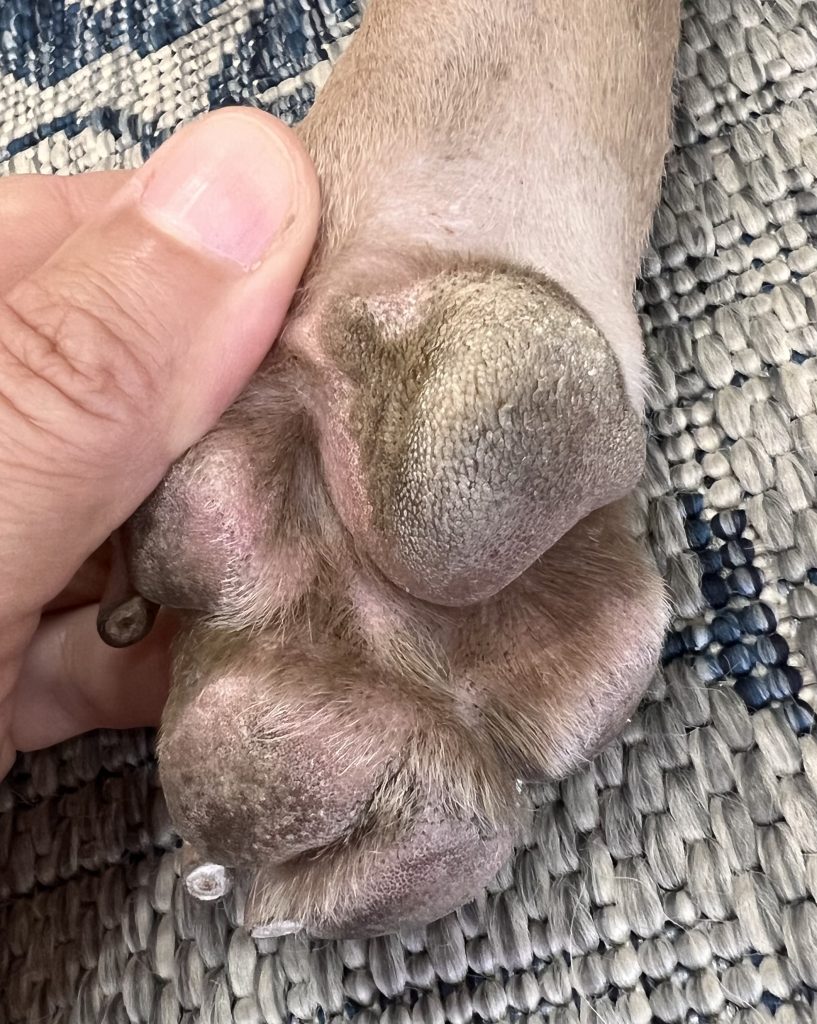
- Dry paw pads with a chalky, whitish color
- Nails that break easily or seem brittle
Physical Exam Findings:
- Pale pink tongue (instead of a healthy, deeper pink or red)
- Thin, thready pulse when felt under the back leg
- Nose that has lost pigment (black nose turned pink)
Behavior:
- Increased anxiety or restlessness
- Excessive dreaming (running, barking, or twitching while sleeping)
The dreaming piece is interesting. In Chinese medicine, blood is said to “anchor the spirit.” When there’s not enough blood reaching the brain, the mind becomes unanchored, leading to restlessness when awake and vivid, active dreams during sleep. Almost every dog has some movement during sleep, but if yours is constantly running marathons in their dreams, they might be blood deficient.
Conditions Associated with Blood Deficiency
When blood deficiency goes unaddressed, it can predispose pets to other health issues in the future. In my experience, blood deficient animals are more likely to develop:
- Cruciate ligament tears (the tendons become dry and brittle so they break)
- Intervertebral disc disease (dry discs are more likely to move and get stuck)
- Worsening arthritis (joints lack proper lubrication)
- Skin allergies and flea allergies (the immune system can’t reach the skin properly)
- KCS (keratoconjunctivitis sicca (also known as “dry eye” – there is not enough moisture reaching the eye)
- Seizures (blood not reaching the brain adequately)
Addressing blood deficiency early may prevent some of these problems. However, it can still be fixed even if your pet has already developed one of these problems. We will talk about that in the next blog post.
What Causes Blood Deficiency?
In Chinese medicine, there are a few pathways that can lead to blood deficiency:
1. Nutritional Deficiency
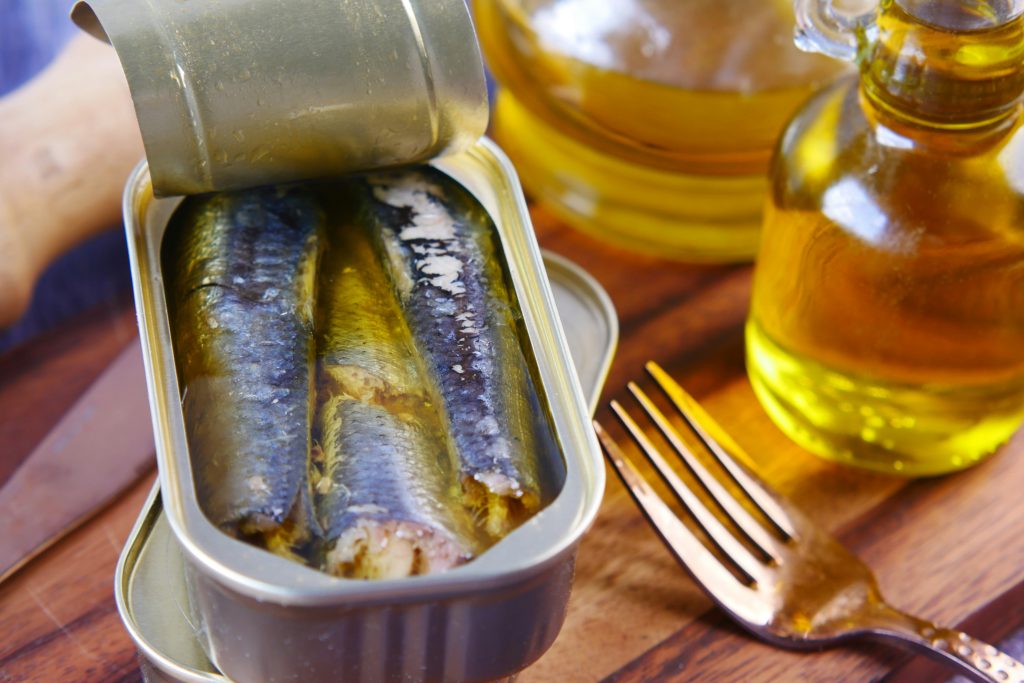
This is the most common cause. The diet simply doesn’t have enough good fats, or the right balance of fats, or it’s missing trace minerals and nutrients that the body needs to create healthy blood. Kibble-fed pets are particularly prone to this because kibble is essentially a dry cracker. It’s very difficult to keep fats fresh and bioavailable in that form.
2. Stress
Chinese medicine understood that the liver plays a key role in regulating blood flow to the rest of the body. When an animal (or human) experiences stress or trauma, the body contracts. Blood pools internally, particularly in the liver, and can’t circulate freely to the periphery.
This creates a vicious cycle: the blood is stuck inside, so it can’t reach the brain, so the animal feels more anxious, which creates more tension, which keeps the blood stuck. I see this pattern frequently in rescue dogs, dogs who have experienced major life changes, or dogs whose owners are going through stressful periods themselves (animals often pick up on owner stress).
3. Weak Digestion (Spleen Qi Deficiency)
Even if the diet is perfect, if the digestive system isn’t strong enough to absorb and transform those nutrients into blood, deficiency can still develop. This is a topic for another post, but it’s worth mentioning because some pets need digestive support before they can fully benefit from good fats in the diet or other dietary changes.
4. Chronic Inflammation or Blood Loss
Animals with ongoing inflammatory conditions or internal bleeding (such as bleeding tumors) can become blood deficient because the body is using up or losing blood faster than it can be made.
Does Blood Deficiency Show Up on Lab Work?
Not always, but there are a few clues I look for.
Pets with anemia are considered blood deficient. Anemia is essentially the far end of the blood deficiency spectrum. So yes, if your pet is anemic and has low red blood cells, then they have a more advanced form of blood deficiency (that can still be helped with herbs and diet changes).
Other lab changes that can show blood deficiency:
Mildly elevated liver enzymes: Pets with blood deficiency will sometimes have mildly elevated ALT (and sometimes AST). Usually in blood deficient pets, the ALT is under 400, so not a severe elvation, but still elevated. In Chinese medicine, this makes sense. The liver has an intimate relationship with blood. When blood isn’t flowing freely, the liver becomes slightly inflamed. Once blood deficiency is addressed, I’ve seen these values normalize.
Low liver enzymes: This is another pattern I sometimes see. In conventional medicine, we only worry when ALT and AST are elevated, not when they’re low. But I’ve noticed that some blood deficient pets actually have low liver values. I’ll be honest: I haven’t figured out exactly what protocols these pets need. They don’t seem to respond as well to dietary changes alone. This may be a different type of blood deficiency that requires a different approach, and it’s something I’m still working to understand.
Why Is This So Common Now?
I believe we’re seeing more blood deficiency in pets today for a few reasons, which I’ll explore more in Part 2 of this series. The short version: the veterinary world has developed a complicated relationship with dietary fat. Starting somewhere around the low-fat craze of the 1990s, fat has become something many vets and pet owners avoid.
Vets commonly recommend low-fat diets for conditions such as: pancreatitis, IBD, liver disease, and even just aging pets who need to keep their weight down.
But fat is essential. It’s how the body builds healthy cell membranes, supports brain function, lubricates joints, and maintains skin health.
As a temporary approach, low-fat diets make sense. If a pet is having an acute pancreatitis flare or a digestive upset, reducing fat while things settle down is reasonable. The same goes for sensitive pets who continue to have flare-ups every time fat is reintroduced – for those animals, a lower-fat diet may be necessary long-term.
However, most pets don’t fall into those categories. A single episode of pancreatitis doesn’t mean a pet needs to stay on a restricted diet for the rest of their life. And keeping a pet on a low-fat diet when it’s no longer needed can have downstream consequences: dry, brittle tendons that predispose to cruciate ligament tears, disc problems, worsening allergies, and many of the other issues we’ve discussed above. Not every pet needs to stay on these diets indefinitely.
Coming Up in Part 2
In the next post, I’ll cover:
- Easy foods you can add to address blood deficiency
- What to do if your pet can’t tolerate fats (there’s a Chinese medicine explanation for that too)
- The omega-3 to omega-6 ratio problem in commercial pet food
- When blood deficiency requires more than just dietary changes
If you looked at this list of signs and thought, “That sounds like my dog,” know that you’re not alone. Blood deficiency is one of the most common patterns I see in practice, and the good news is that in most pets, it’s easy to fix!
Have questions about blood deficiency? Leave a comment below or check out Part 2 for practical solutions.


All rights reserved © 2021 | Dr. Magda | Website by Homebody Web Co.