
Is Raw Food Right for Your Pet? An Integrative Veterinarian’s Perspective
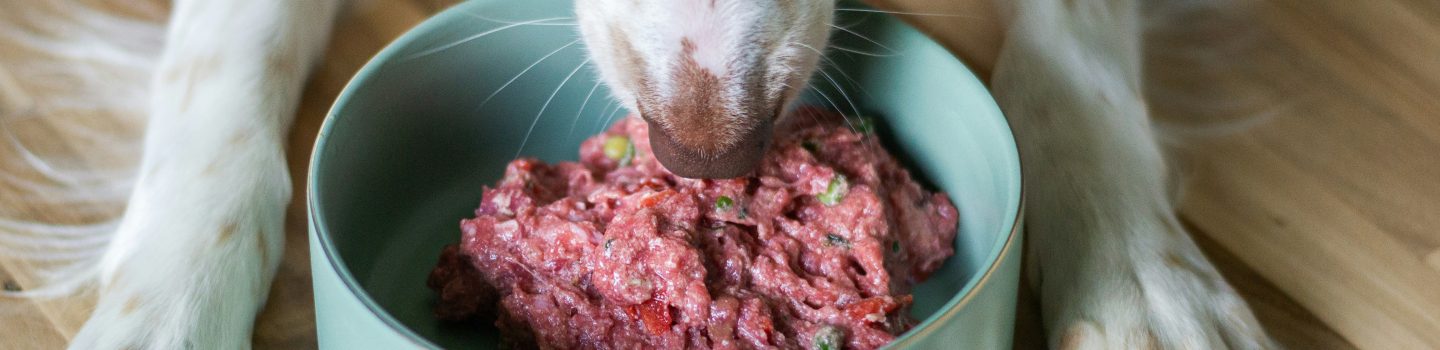
Raw food is a controversial topic in the veterinary world. Some people describe it as the healthiest and most natural way to feed a pet. Others warn strongly against the risk of bacteria and contamination.
After working with raw-fed pets for many years, I believe the truth is more nuanced.
I have been a veterinarian for about 17 years. After my first year in a conventional practice, I moved into integrative and holistic veterinary medicine. Since then, at least 40 to 50% of the animals I have treated have eaten raw food.
I have seen raw food produce remarkable improvements. I have also worked with pets who did not tolerate it. Raw food can be an excellent choice, but it is not the right choice for every animal.
In this video, I share what I have observed while working with raw-fed pets for more than 16 years. Prefer to read? I have summarized the main points below.
Why Did Raw Feeding Become So Popular?
Veterinarian Dr. Ian Billinghurst helped popularize raw feeding in the 1980s. He observed that many animals improved when they stopped eating kibble and other highly processed foods and started eating raw food.
Pet owners reported improvements in chronic ear infections, skin problems, digestion, and dental health. As more people began sharing their experiences, the raw-feeding movement gained momentum.
Today, there are several approaches to raw feeding. Some diets follow a prey model. Others use the BARF model, which stands for “Biologically Appropriate Raw Food” or “Bones and Raw Food.” Some include vegetables and fruit, while others contain only meat, bones, and organs.
Although these approaches differ, they are all based on feeding uncooked animal ingredients.
What I Have Seen in Raw-Fed Pets
When I first began working in holistic veterinary medicine, I was surprised by how well most dogs tolerated raw food.
Some improvements happened very quickly. Chronic skin problems settled down. Digestive issues improved. Recurrent ear problems became less frequent. Many pets appeared healthier and more comfortable.
In approximately 16 years of working with raw-fed patients, I could probably count on one hand the number of pets that had a truly negative reaction and could not continue eating raw food.
That does not mean problems never occur. It means that, in my clinical experience, most healthy pets tolerate raw food better than many people expect, despite all the fears and worries about bacterial contamination.
However, tolerating raw food does not automatically mean it is the ideal diet for that individual pet.
What About Bacteria?
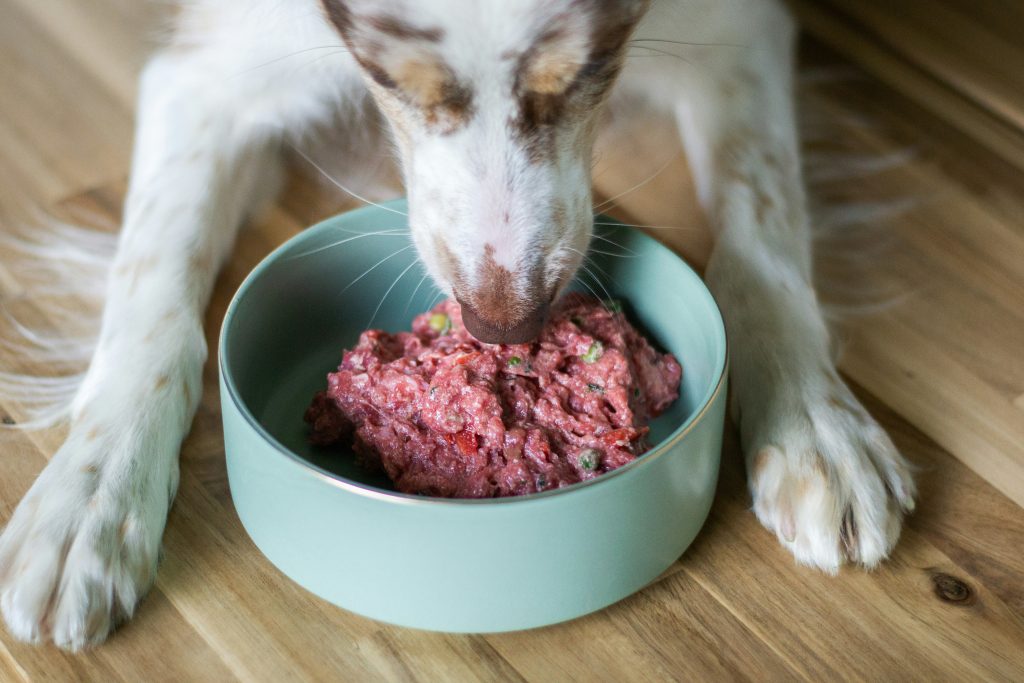
Raw meat can contain disease-causing bacteria. It makes sense that veterinarians would be worried about feeding raw food to pets.
Many raw-food companies understand that bacterial contamination is one of the biggest concerns surrounding their products. Because their food is intended to be served raw, reputable companies may use pathogen-control measures and test their products more frequently. This is one reason I generally prefer a reputable commercial raw diet over raw meat purchased from a grocery store. Grocery-store meat is sold with the expectation that it will be cooked before it is eaten. When choosing a commercial raw diet, I look for a company that can clearly explain its sourcing, food-safety practices, and batch-testing procedures.
If you’re looking for specific brand recommendations, Susan Thixton of Truth About Pet Food does a lot of research into pet food companies and publishes a yearly list of foods she trusts.
It is also important to understand that finding bacteria in a food or in a pet’s stool does not necessarily mean the pet will become sick. Research has found that dogs can shed Salmonella and other bacteria after eating contaminated raw food while continuing to appear healthy. In one controlled study, some dogs shed Salmonella, but none developed signs of illness. In my clinical experience, illness caused by raw food has been quite rare. However, a healthy pet can still pass bacteria into the environment, so careful handling, storage, and cleanup remain important.
I should add that at our clinic, we run a bacterial stool test on many of our patients that eat raw food and I have personally never seen a raw fed dog or cat come up positive for Salmonella. But I am sure it can happen.
This means we need to separate two different questions: Can a healthy dog tolerate raw meat without becoming sick? And can raw food create a contamination risk for the people and animals around that dog?
The answer to both questions can be yes.
A dog may appear completely healthy while still shedding bacteria in the stool. This matters most in homes with young children, older adults, pregnant people, or anyone with a weakened immune system. Careful storage, preparation, cleanup, and handwashing are important whenever you handle raw pet food.
In my own patients, I have not seen bacterial illness become a common clinical problem. Still, my experience does not erase the possibility of contamination or household exposure. Raw food needs to be handled with the same care you would use when preparing raw meat for people.
Not All Raw Foods Are Created Equal
The words “raw food” do not tell us whether a diet is complete, balanced, or appropriate for a particular pet.
Raw diets can vary considerably. Some may not contain the right balance of essential nutrients. Others may meet basic nutrient requirements but still have an unfavorable balance of fats.
For example, I have seen pets develop very dry coats while eating certain raw foods. I have also seen pets gain too much weight. The type of meat, the way the animals were raised, the fat content, and the balance of omega-3 and omega-6 fatty acids can all affect the final diet.
A pet will not necessarily receive the expected benefits simply because a food is raw. The quality and composition of that food still matter.
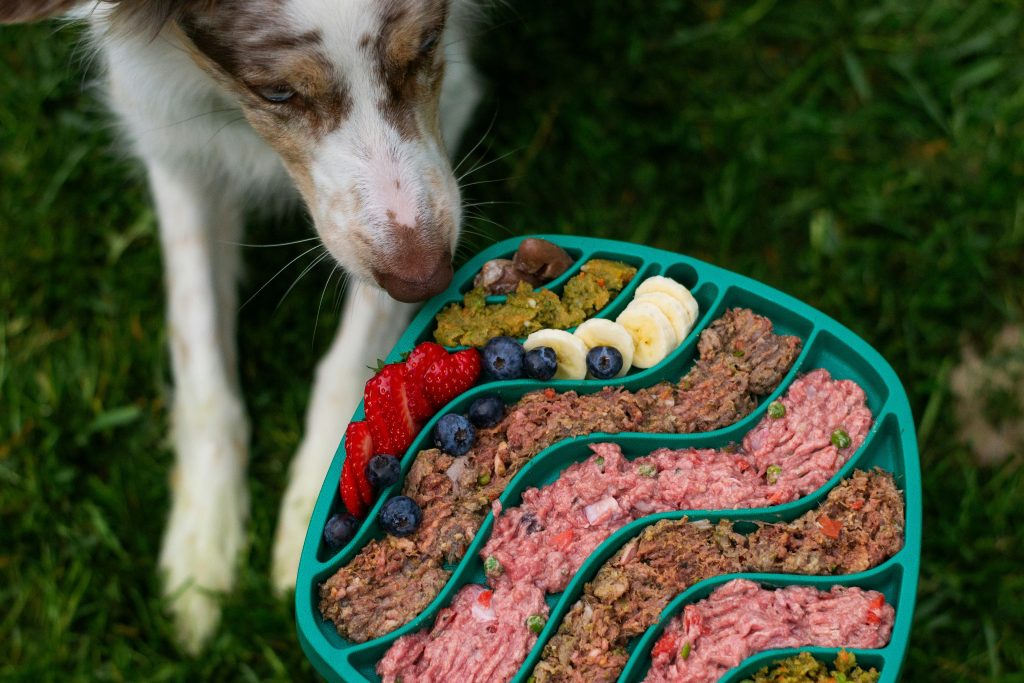
The Chinese Medicine View of Raw Food
Traditional Chinese medicine gives us another way to understand why the same food can help one pet and aggravate another.
From a Chinese medicine perspective, raw food has a cooling and drying effect.
This can be beneficial for pets with signs of damp heat. These animals may run hot, pant frequently, develop chronic yeasty ears or skin, or experience smelly diarrhea and colitis. For these pets, a cooling and drying food may help bring the body back into balance.
Young, strong, robust animals also tend to handle raw food well. I have seen many puppies and young adult dogs thrive on it.
However, cooling and drying qualities are not helpful for every animal.
When Raw Food Becomes Too Drying
Here in Los Angeles, we live in a hot and dry climate. Although the cooling nature of raw food may help some pets, its drying quality can become a problem.
Modern raw pet food is also different from the fresh prey a wild animal would eat. We package meat and keep it in a freezer. Freezing can reduce moisture. Much of the blood and fluid that would be present in a fresh carcass is also gone.
Some frozen raw foods contain more moisture than others, but I still see signs of dryness in certain raw-fed pets. They may develop indigestion, a dry coat, changes in their teeth, or an unusually strong appetite.
From a Chinese medicine perspective, too much dryness can irritate the stomach. This may create a gnawing, hungry sensation even after the animal has eaten and is a type of acid indigestion. A dog that seems constantly hungry on raw food is not always missing calories or nutrients. The stomach itself may feel dry and uncomfortable.
Some Pets Have Weaker Digestion
Raw food takes more digestive energy to process than cooked food.
In Chinese medicine, pets with weak digestion may have a pattern called spleen deficiency. These animals often do not want raw food. They may sniff it and walk away, eat it reluctantly, or experience digestive discomfort after eating it.
My own dog did this when I first offered her raw food. She had a spleen-deficiency pattern and made it very clear that raw food was not right for her.
I believe we should listen when an animal consistently refuses a particular type of food. A pet who does not want raw food may not be stubborn or difficult. Their body may be telling us that the food is too hard to digest.
These pets often feel better when their food is cooked.

Raw Food May Become Harder to Digest with Age
Digestion often becomes weaker as people and animals age. A dog who did beautifully on raw food at two years old may not feel the same way about it at nine or ten.
Older pets may begin leaving food behind or turning their noses up at meals they once loved. They may also develop gas, indigestion, loose stool, constipation, weight changes, or a constant feeling of hunger.
Lightly cooking the food can make it easier to digest. Cooking adds warmth. Adding water can also restore some of the moisture that may be missing from a frozen raw diet.
So, Is Raw Food Right for Your Pet?
Raw food can be wonderful for some pets. Young, strong animals often do well with it. Pets who run hot or have damp-heat signs, such as chronic yeast and certain digestive patterns, may also experience significant improvement.
Other pets need more warmth, moisture, or digestive support. Senior animals, pets with weak digestion, and those who consistently refuse raw food may feel better on a cooked diet.
The individual recipe matters too. A poorly balanced raw diet is not automatically healthier than a thoughtfully formulated cooked diet.
There is no single food that is perfect for every dog or cat. We need to consider the pet’s age, symptoms, digestion, constitution, lifestyle, environment, and changing needs.
This article is for educational purposes and does not replace individualized veterinary care.
Research mentioned in this article
Finley R. et al. “The risk of salmonellae shedding by dogs fed Salmonella-contaminated commercial raw food diets.” Canadian Veterinary Journal, 2007.
Hellgren J. et al. “Presence of pathogenic bacteria in faeces from dogs fed raw meat-based diets or dry kibble.” Veterinary Record, 2020.
All rights reserved © 2021 | Dr. Magda | Website by Homebody Web Co.