
Antioxidants and Cancer Therapy: Rethinking the Old Rules for Pets

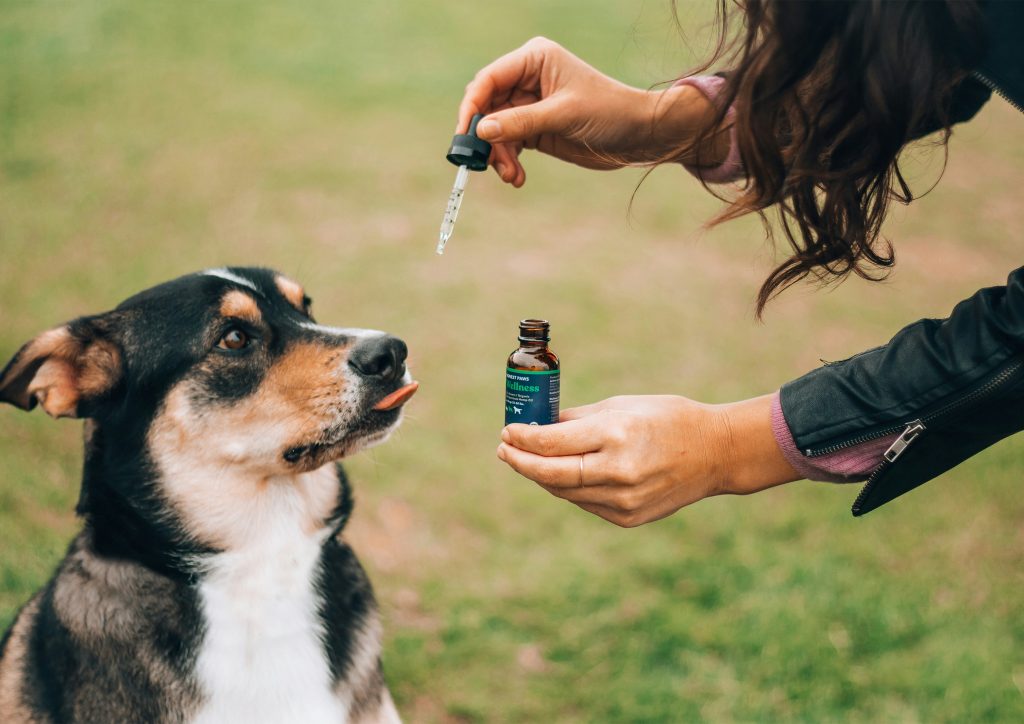
If your pet is going through chemotherapy or radiation, your oncologist might have told you to stop all antioxidants during treatment. Maybe that meant stopping fish oil, mushroom supplements, herbs, vitamins or any herbs you’ve been adding to the diet.
The concern is understandable. But when you look at the actual studies behind this advice, the picture becomes more nuanced.
Why Oncologists Worry About Antioxidants
Chemotherapy and radiation work, in part, by creating damage inside cancer cells. Antioxidants help protect cells from that kind of damage. So the concern makes sense: what if antioxidants protect the cancer cells too?
Some studies have found concerning results. One large breast cancer study found that patients who took antioxidant supplements during chemo had about a 40% higher rate of cancer coming back, compared to those who didn’t. Other research found that certain antioxidant supplements were linked to worse survival in some groups.
A 2024 scoping review of antioxidant supplements used during cancer treatment noted that isolated nutrients like vitamins A, C, E, selenium, zinc, and CoQ10 may theoretically interfere with chemotherapy or radiation, since those therapies rely on oxidative damage to target cancer cells. Because clear benefit hasn’t been proven and potential harm remains possible, many oncologists advise caution with high-dose antioxidant supplements during active treatment.
So the concern is real. But here’s the problem with those studies and the way they were interpreted:
What Those Studies Were Actually Testing
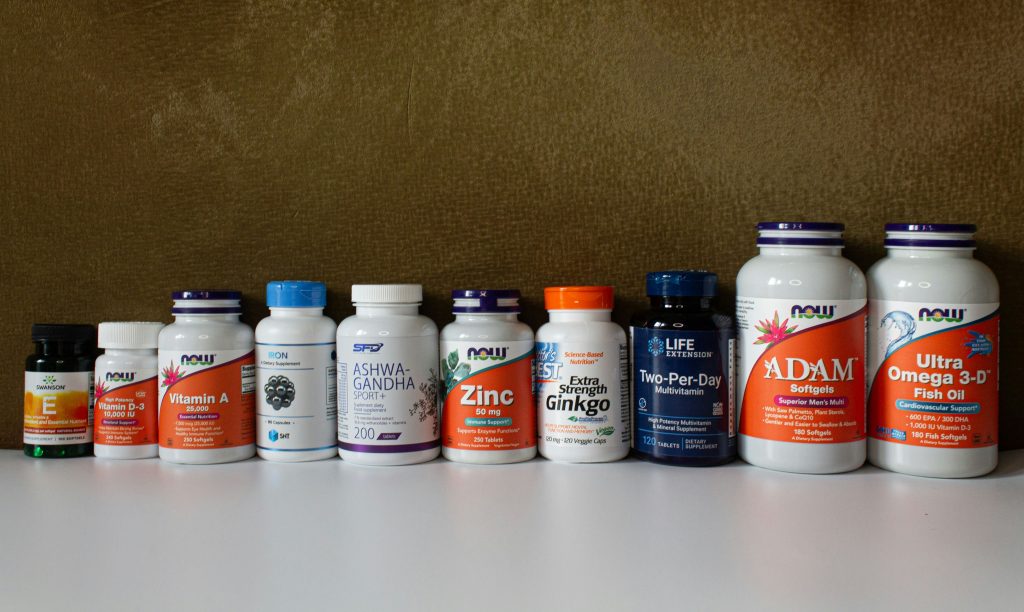
The research behind the “no antioxidants” rule was largely based on isolated, high-dose antioxidant supplements:
• Fat-soluble antioxidants (vitamin A, beta-carotene, vitamin E)
• Trace minerals (selenium, zinc)
• Single-molecule compounds like CoQ10
What led to studying these vitamins to begin with?
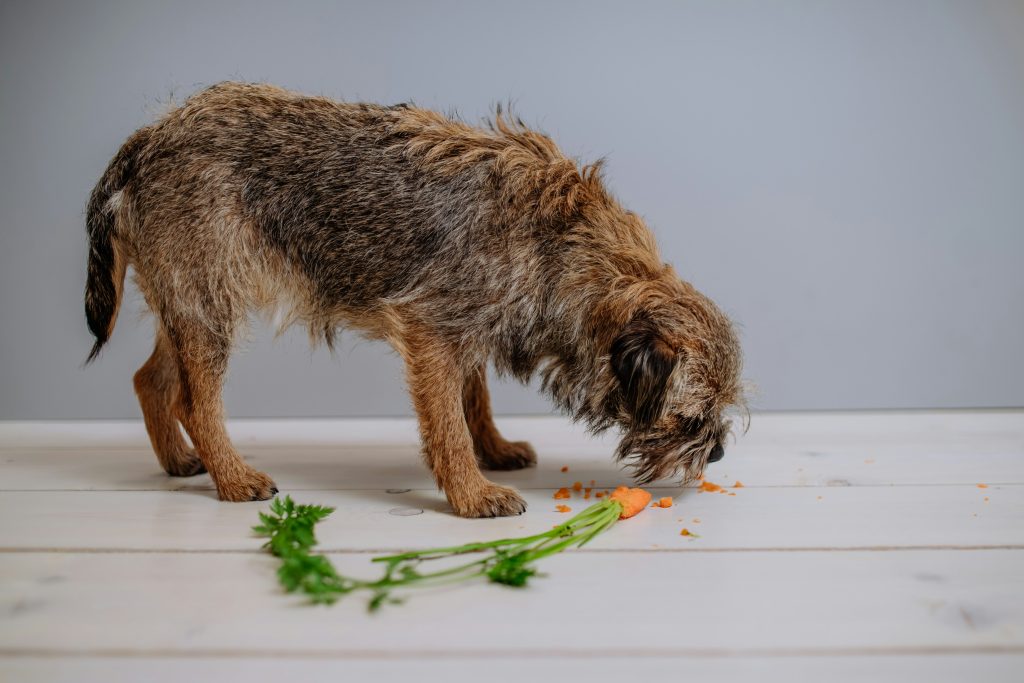
In one case, scientists observed that people who ate beta-carotene-rich foods like carrots and sweet potatoes had lower rates of certain cancers. So researchers decided to study it. They extracted beta-carotene, put it into capsules, and tested it in high-risk populations such as smokers.
But the results turned out to be the opposite of what anyone hoped for. In some groups, synthetic beta-carotene supplements actually raised cancer rates and death rates. Turns out, the pill was behaving completely differently from the food. Same compound, totally different outcome.
So, before we even get into how these compounds interact with chemo or radiation, this large study (almost 30,000 people enrolled) already showed that certain synthetic vitamins themselves may increase cancer risk. Even before we add in chemo.
I don’t think this gets discussed enough.
“Antioxidant” is only one piece of the puzzle
The antioxidant studies that raised concerns examined synthetic, primarily single-vitamin supplements. But over time, that caution has been broadened to include anything with antioxidant properties, from blueberries to herbs.
There are a few problems with this approach:
One – We are not even sure that the antioxidant properties of these supplements are what made chemo less effective. As we saw in the beta-carotene study, the supplement had negative effects on its own, even before chemo was added into the equation.
Two – Concentrated doses of synthetic vitamins – ie. beta-carotene, are arguably more similar to a drug than a natural supplement. You would not find beta-carotene in a clump on its own in nature. It exists as part of a smart ecosystem (the carrot) whose components all work together. That is why eating carrots protects against cancer, but taking beta-carotene supplements does not.
There is a well-meaning oncology narrative that I see repeated both in the media and in person: “Don’t take natural supplements because they may interfere with your cancer treatment.”
But I would argue that the supplements they are discussing in these articles are not natural at all.
As a general rule, real foods and medicinal herbs, such as the Chinese herbs we use in my practice, have built-in safeguards to reduce the risk of adverse side effects. It works more like a symphony than a single player. All are doing different things and “antioxidant” may only be one small mechanism of action. Many herbs have layered effects: calming oxidative stress in healthy tissue, modulating immune function, reducing inflammation, and in some cases increasing oxidative stress within tumor cells.
And all of this together creates the anti-cancer effect which in many cases may actually work harmoniously with chemo and radiation, and not against it.
For example, in one large study that followed nearly 9,000 women with breast cancer for years, many of whom were receiving chemotherapy and radiation, those who ate more vegetables and fruit during treatment had better overall survival, not worse. If the antioxidants in whole foods were truly interfering with chemo or radiation in a significant way, we would expect the opposite to be true. We don’t see that.
So the idea of avoiding antioxidants during chemo or radiation is a bit oversimplified.
I would rephrase it as: “Don’t take high doses of synthetic supplements.”
Plant Extracts, Herbs and Cancer Treatment
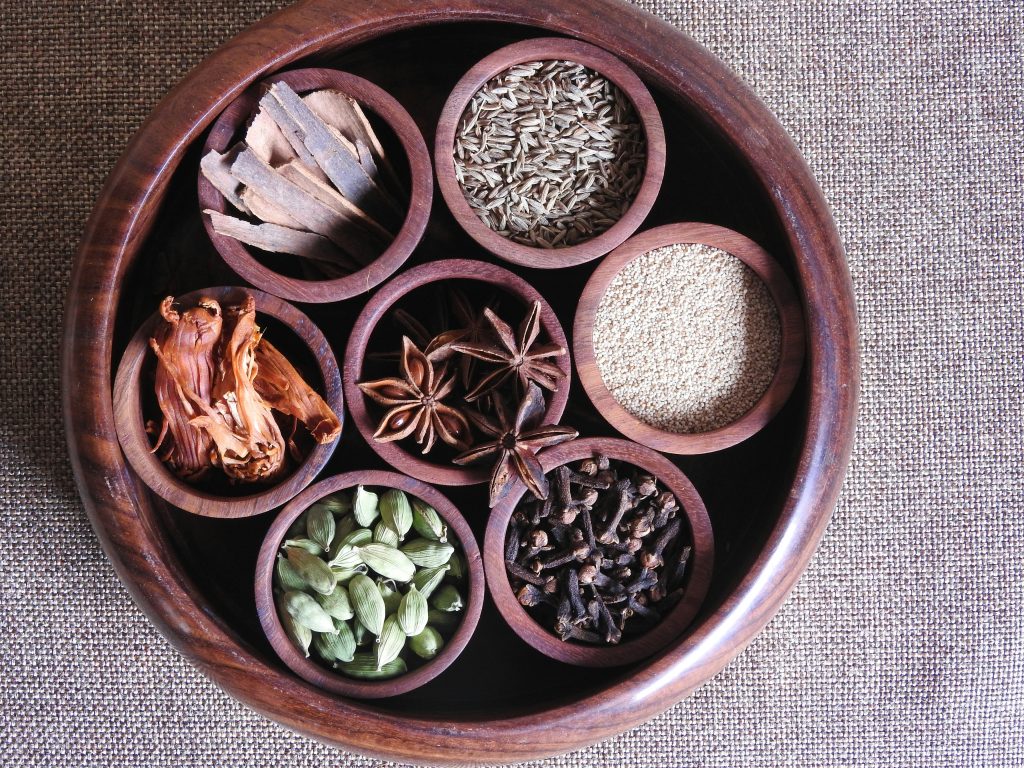
When we shift from isolated, highly processed antioxidant compounds to whole plant extracts and traditional herbal formulas, we are in a very different conversation. In general, I would expect fewer blunt, disruptive side effects from well-formulated plant medicines than from megadosed synthetic compounds.
But that does not mean they are neutral. Herbs are active. They move physiology in specific directions. They cool, warm, tonify, drain, circulate, or transform. That is exactly why they can be helpful, and exactly why they require understanding.
One of the mistakes I see on both sides is oversimplification. Some oncologists lump herbs into the same category as high-dose synthetic antioxidants and dismiss them all together. On the other side, some people assume that “natural” automatically means safe. It does not. Some mushrooms are deadly. Some herbs are toxic. And even gentle plants can alter drug metabolism. Green tea can influence certain chemotherapy agents. Grapefruit is famous for affecting cytochrome P450 pathways. These are not reasons to avoid plants entirely. They are reasons to respect them and work with qualified practitioners who have studied them.
What we may underestimate is that herbs have directionality. A formula is not just a collection of antioxidants. It is a coordinated set of compounds that modulate inflammation, immune signaling, oxidative stress, circulation, and tissue repair. A deep understanding of those actions makes them powerful allies during cancer treatment. A superficial understanding can create unnecessary risk, especially if layering multiple concentrated extracts at high doses without a clear rationale.
My position is simple. Do not overdo anything, even if it is natural. Avoid random megadosing. Look at the data. Work with someone trained in both oncology and herbal medicine who understands drug interactions and pattern differentiation.
Research in this area is expanding quickly, and many herbs show real promise for supporting patients through chemotherapy and radiation. A simple PubMed search shows a growing number of studies examining specific herbs and plant compounds alongside chemotherapy agents.
The conversation is no longer “there’s no data.” It is increasingly about which compounds interact with which drugs, in what dose, and in what clinical context. Used appropriately, they are not the enemy of conventional care. In fact, they may actually be powerful tools.

If you’d like a deeper dive into how natural therapies interact with specific chemotherapy and radiation protocols, I highly recommend the book Naturopathic Oncology. It provides a thorough, research-based review of supplement–drug interactions in human cancer care. While it focuses on people, much of the information can help inform discussions in veterinary oncology.
Always work with your integrative oncologist or holistic veterinarian before adding anything new!
Let’s look at Chinese Herbal Medicine
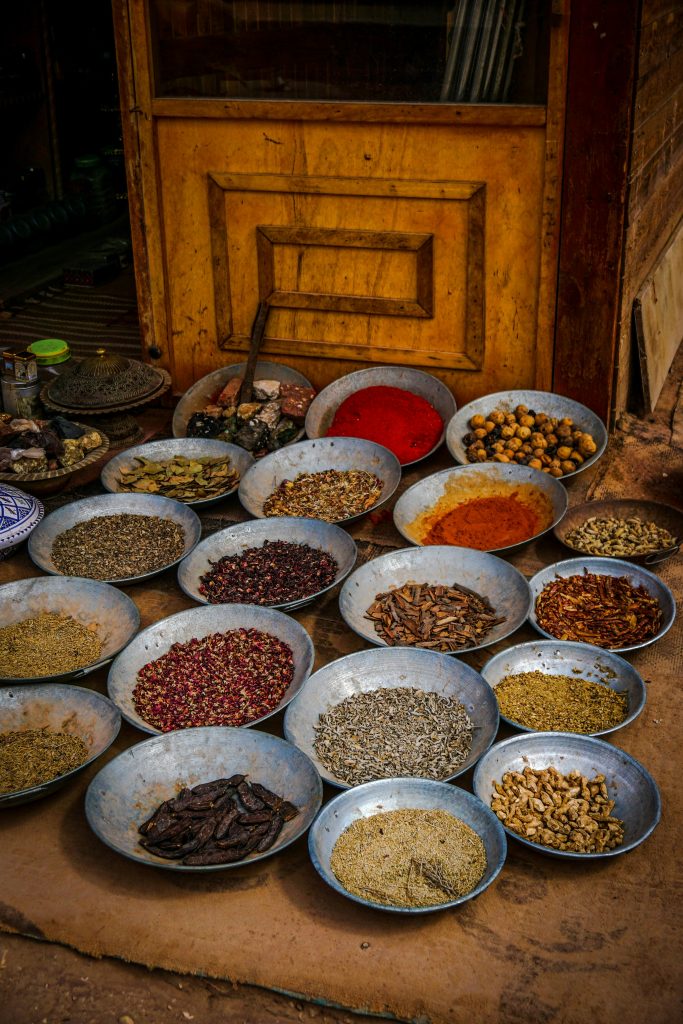
Many pet owners, and even many doctors, are told that there is little research on Chinese herbal medicine used during chemotherapy or radiation. That statement gets repeated often, but it is not entirely accurate.
Much of the research is published in places Western-trained oncologists are not routinely reading, and to be fair, they are not trained in Chinese herbal medicine to begin with. So when they say “there’s no data,” it often reflects a gap in training and exposure, not an absence of research.
For example, one large review of Chinese medical databases identified 5,834 randomized controlled trials of traditional Chinese medicine in cancer care, involving 477,157 patients in total. Most of those studies examined herbal formulas given alongside standard cancer treatments. Yet only 62 of those trials appeared in the major English-language database that most Western clinicians typically search.
And this is just one study. There are many more like it.
What is also true: Not all of these trials are high quality. Many are small, and reporting standards vary, so researchers rate the overall strength of evidence as low to moderate. But when you zoom out, the vast majority of studies suggest neutral or supportive effects when herbs are used alongside conventional cancer treatment.
Most studies focus on how herbs may help patients tolerate chemo/ radiation treatment better, such as easing nausea, supporting blood counts, or improving quality of life. They weren’t designed to follow long-term recurrence, but even so, long term outcomes were not worse in patients getting chinese herbal therapy. More studies are needed (and are currently happening).
What I see in my Veterinary Practice
What I see clinically mirrors what the human Chinese Medicine research suggests. In general, pets tend to do very well when holistic support is added to their cancer treatment plan, and I often see better patient outcomes in pets that receive herbs.
That said, every cancer case is different, which makes clean comparisons difficult. Some pets receive chemotherapy. Some receive radiation. Some receive both. Others pursue holistic support alone. With so many different paths, it’s hard to generate clean, uniform numbers in a veterinary setting because no two cases look exactly the same.
But as a general pattern, I consistently see pets thrive when fresh food, individualized herbal formulas, and therapies like IV ozone are added to their care plan. It’s common for owners to say, “My pet feels better now than before the cancer diagnosis.”
This isn’t about choosing one system over another. In fact, many pet owners choose both. From a purely practical/ scheduling standpoint, I often prefer pets finish chemotherapy or radiation first and then we pivot to more intensive holistic support. That approach tends to work well. And when families choose not to pursue chemo or radiation, we still support the pet holistically.
Another important piece is that Chinese herbal medicine is individualized. We don’t treat “lymphoma” or “mast cell tumor.” We treat the patient in front of us. There are generally about 4-5 formulas that might be appropriate for the same type of cancer, depending on the pet’s constitution, symptoms, energy, digestion, and overall pattern. If a pet reacts poorly to a formula, that doesn’t mean herbs are harmful. It usually means that particular formula was not the right match. Choosing and adjusting formulas is part science and part clinical art.
What About Ozone Therapy?
Ozone is another example where the “oxidative stress is always bad during cancer treatment” idea doesn’t quite fit.
A 2023 study followed cancer survivors dealing with lasting side effects from chemo and radiation. Medical ozone improved quality of life and reduced the severity of those ongoing effects. Other research suggests ozone can help with fatigue, pain, and digestive symptoms during treatment, and help patients handle the process better overall.
Current research has not shown ozone therapy to worsen cancer outcomes. In my practice, I find that pets that receive IV ozone in addition to herbs and a fresh food diet often do very well.
What This Means for Your Pet
Here’s a practical way to think about it:
High-dose synthetic supplements — things like high-dose vitamin A, synthetic beta-carotene, concentrated vitamin E — have real concerning data behind them during active cancer treatment. We share that caution and don’t use them.
In fact, I would go a step further. Looking at the large human trials on isolated synthetic vitamins has made me more cautious about synthetic vitamin supplementation in general, especially in pets with cancer. Modern pet foods are fortified with synthetic vitamins to meet nutritional standards, and we generally assume that is safe and necessary. But these studies remind us that concentrated, isolated nutrients do not always behave the same way as they do in whole foods.
I don’t believe we have a full answer yet. But I personally do not add extra standalone vitamin supplements to pets with a current or previous cancer diagnosis. If anything, I tend to limit them.
Some holistic practitioners use high-dose vitamin C in oncology cases. Vitamin C appears to behave differently from compounds like beta-carotene or vitamin E, and there is research exploring its potential benefits. Even so, this remains an area where the science is still evolving, and I personally approach high-dose vitamin therapy cautiously.
Chinese herbal formulas, whole food antioxidants, and therapies like ozone are a different category. The research on those, while still growing in veterinary medicine, points in a more positive direction. Human data shows fewer side effects and no clear harm to treatment outcomes when these are used alongside conventional therapy.
The “no antioxidants” rule was built on one specific type of research. It’s a reasonable starting point, but it doesn’t tell the whole story. As integrative veterinarians, we look at the actual evidence behind each specific tool, not just the label it’s given.
Research Sources
- Dietary Supplement Use During Chemotherapy and Survival Outcomes in Breast Cancer — SWOG S0221 (JCO, 2020)
- Therapeutic Controversies Over Use of Antioxidant Supplements During Cancer Treatment: A Scoping Review (2024)
- Use of Antioxidants During Chemotherapy and Radiotherapy Should Be Avoided — CA: A Cancer Journal for Clinicians
- Chinese Herbal Injections Combined With Concurrent Chemoradiotherapy — Network Meta-Analysis (Frontiers in Pharmacology)
- Effects of Ozone Treatment on Quality of Life and Toxicity in Cancer Survivors (2023)


All rights reserved © 2021 | Dr. Magda | Website by Homebody Web Co.